Iterative Development
Our iterative approach to product development
The Four Jobs of Every Leader
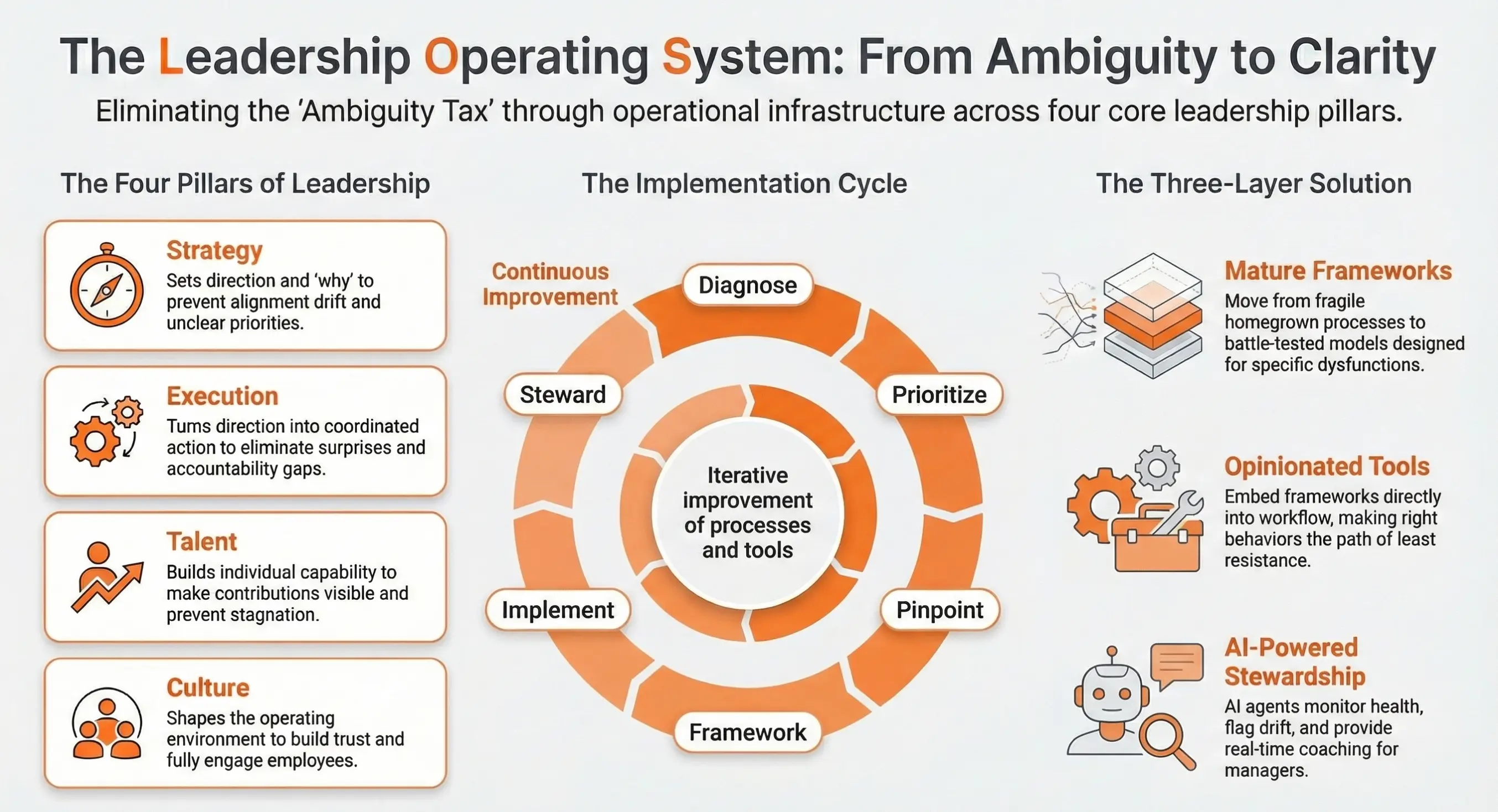
Whether you run a 30-person startup or a 500-person scale-up, you have four jobs:
Strategy — Setting direction and ensuring everyone understands where you're going and why
Execution — Turning strategy into coordinated action that delivers results
Talent — Building capability so your people can do the work that matters
Culture — Shaping the environment where all of this happens
Most leaders know this intuitively. What they don't realize is that each of these domains requires operational infrastructure — frameworks, tools and ongoing stewardship. Without that infrastructure, you're relying on heroics, tribal knowledge and hope.
The Three-Layer Problem
When leaders try to build this infrastructure, they typically fail in one of three layers — often all three.
Layer 1: Fragile Frameworks
Most companies build their own processes for goal-setting, performance reviews, feedback and planning. These homegrown approaches feel tailored, but they lack rigor. They break under pressure. They don't scale.
Others adopt popular methodologies (OKRs, 360 reviews, engagement surveys) without adapting them properly. The framework becomes a compliance exercise rather than a tool for clarity.
Layer 2: Disconnected Tools
Some companies invest in purpose-built software — OKR platforms, performance management systems, engagement tools. This is better than spreadsheets and slide decks, but it creates a new problem: silos.
Your OKR tool doesn't connect to your performance system. Goals aren't linked to the metrics that measure them. Individual contributions aren't visible to leadership. Feedback lives in one system, recognition in another, development plans in a third.
You have tools. You don't have coherence.
Layer 3: No Stewardship
This is where everything falls apart.
Even great frameworks in great tools will decay without relentless attention. Someone needs to:
- Drive adoption beyond the initial rollout
- Monitor process health and flag drift
- Coach managers who are struggling
- Troubleshoot breakdowns before they cascade
- Evangelize the "why" so people stay engaged
- Adapt the system as the company evolves
Most companies don't resource this role at all. Or they bury it in an HR generalist's job description alongside twenty other priorities. Or they hire a contractor who leaves after six months, taking all the context with them.
The result? Every process you implement has a half-life. Goal-setting starts strong, then becomes theater. Performance reviews launch with fanfare, then become dreaded box-checking. Culture initiatives spike engagement briefly, then fade.
Clarity Forge: Infrastructure for All Three Layers
Clarity Forge is designed to solve all three layers simultaneously — mature frameworks, purpose-built tooling and AI-powered stewardship.
Mature Frameworks for Each Pillar
We don't ask you to invent your own processes. We bring battle-tested frameworks designed for the specific dysfunction you're facing:
| Pillar | Common Problems | Clarity Frameworks |
|---|---|---|
| Strategy | Alignment drift, unclear priorities, goals disconnected from metrics | Alignment Stack, Strategic Clarity Index |
| Execution | Surprises, missed dependencies, accountability gaps | Execution Rhythm, Dependency Mapping, Progress Calibration |
| Talent | Unclear expectations, invisible contributions, development stagnation | Impact Calibration, Contribution Clarity, Growth Trajectory |
| Culture | Eroding trust, feedback avoidance, values-behavior gaps | Transparency Principle, Feedback Flywheel, Culture Health Index |
These aren't theoretical models. They're operational frameworks with clear implementation paths.
Tools That Reinforce the Framework
Most software is neutral — it doesn't care whether you use it well or poorly. Clarity Forge is opinionated. The tool reinforces the framework at every step:
- Goal-metric linkage isn't a best practice you have to remember — it's built into how you set objectives
- Contribution tracking isn't a spreadsheet exercise — it's infrastructure that makes individual impact visible
- Performance assessment isn't disconnected from daily work — it's a continuous, connected process
- Alignment visibility isn't a quarterly reporting exercise — it's a real-time view of how strategy connects to execution
When the tool embeds the framework, adoption isn't optional. The right behaviors become the path of least resistance.
AI-Powered Stewardship
Here's what makes Clarity Forge fundamentally different.
Traditional approaches require you to hire someone — a Chief of Staff, an Operations PM, an HR program manager — to drive your leadership operating system. That person is expensive, takes months to ramp up and eventually leaves.
Clarity Forge uses AI agents to handle the stewardship layer:
- Monitoring — Agents continuously assess process health across all four pillars
- Early warning — Drift, stalls and breakdowns are flagged before they become crises
- Coaching prompts — Managers receive just-in-time guidance when they're struggling
- Adoption tracking — Leadership sees where processes are thriving and where they're being ignored
- Adaptation recommendations — As your company evolves, agents suggest framework adjustments
The result isn't just software. It's an operating system with a built-in operator.
The Implementation Cycle
Clarity Forge isn't a big-bang transformation. It's an iterative cycle that starts with your most urgent pain and expands from there.
Step 1: Diagnose
We begin with assessments — or structured conversations — that surface pain across all four pillars. Where is alignment breaking down? Where are you getting surprised? Where is talent stagnating? Where is culture eroding?
Step 2: Prioritize
We rank strategy, execution, talent and culture by health. Rather than boiling the ocean, we start with your most broken domain. This creates early wins and builds momentum.
Step 3: Pinpoint
Within the priority domain, deeper assessments identify the specific dysfunction. "Execution problems" might mean dependency blindness, accountability gaps or unrealistic planning. Each requires a different intervention.
Step 4: Framework
We introduce the appropriate Clarity Framework for your specific issue — not a generic best practice, but a targeted operational model.
Step 5: Implement
We deploy the tooling that supports that framework. Configuration is guided by the framework itself, so you're not just "setting up software" — you're operationalizing a way of working.
Step 6: Steward
AI agents take over ongoing process management. They monitor adoption, flag issues, prompt managers and surface insights. The framework doesn't just launch — it stays alive.
Step 7: Expand
With one pillar stabilized, we return to Step 2 and tackle the next priority. Over time, you build a complete leadership operating system — each pillar reinforcing the others.
The Outcome
Companies using Clarity Forge don't just "do OKRs better" or "improve their review process." They build operational infrastructure for leadership itself.
Strategy becomes visible — Everyone knows where you're going and how their work connects
Execution becomes predictable — Surprises decrease, dependencies are tracked, accountability is clear
Talent becomes intentional — Contributions are visible, growth is directed, performance is understood
Culture becomes durable — Values translate to behaviors, feedback flows and trust compounds
This isn't about adding another tool to your stack. It's about building the operating system your leadership has been missing.
Ready to diagnose where your biggest gaps are? Let's start with an assessment.
About the Author
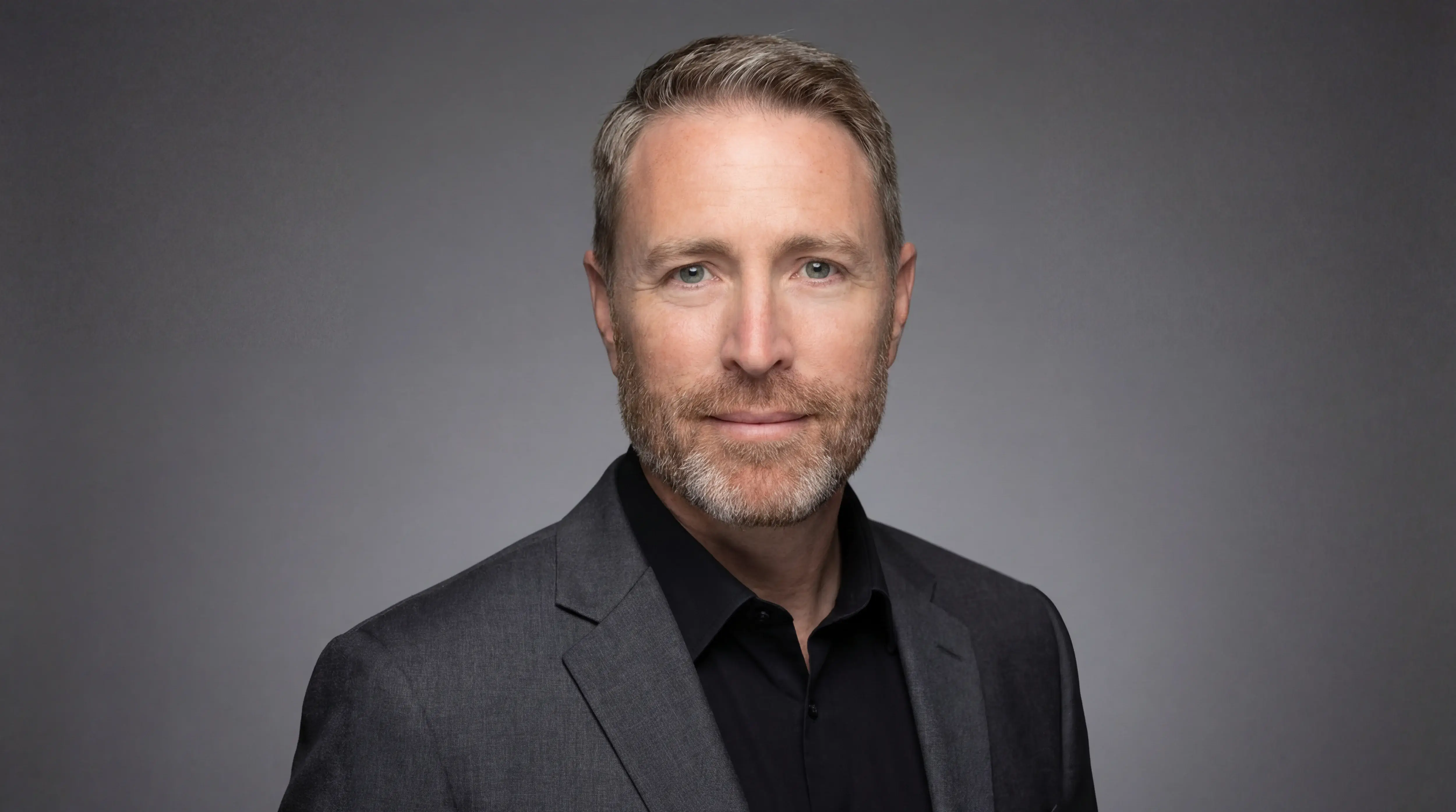 Michael O'Connor
Founder of Clarity Forge. 30+ years in technology leadership at Microsoft, GoTo and multiple startups. Passionate about building tools that bring clarity to how organisations align, execute, grow and engage.